
A Table Worth Gathering Around: Bringing People Together in Community Spaces
A community space needs people to make it work. You can provide the building, put out the chairs and open the doors, but sometimes people need a little help finding a reason to stay.
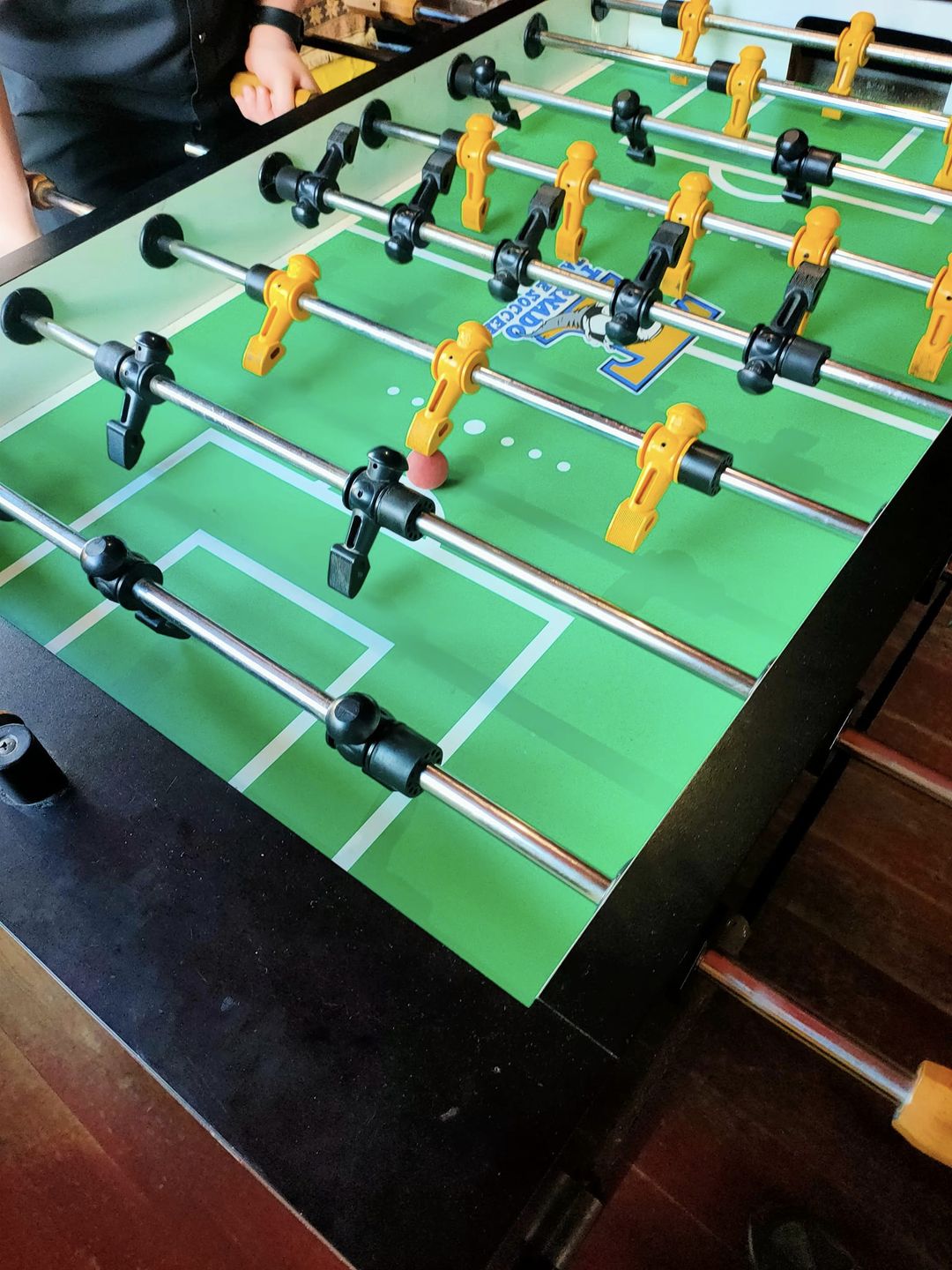
A table football table gives them something to gather around.
One person challenges a friend. Two more join for doubles. Someone watching asks if they can play next. Before long, people who arrived separately are sharing the same game.
At the British Foosball Association, we love that simple ability to bring people together. In a community centre, village hall or shared social space, table football can help turn a room people pass through into somewhere they look forward to visiting.
A conversation can start with a game
Not everyone finds it easy to walk up to a stranger and start talking.
A shared activity gives people a more comfortable starting point. You can ask to join, offer someone a turn or comment on an impressive goal.
The conversation develops around what you’re doing, with no need to fill every silence.
That can be particularly helpful for someone visiting a community venue for the first time. They have an activity to join and a straightforward way to meet a few people.
Remembering everyone’s names might take longer than learning the basics of the game.
Bring different generations together
Community spaces often welcome people of different ages, but being in the same building doesn’t always mean spending time together.
Table football offers a shared activity that can cross those age groups.
A teenager might partner with a retired neighbour. A parent can play alongside their child. Someone who remembers playing years ago can rediscover the game with a complete beginner.
Experience and skill matter more than assumptions about age. That makes for some enjoyable surprises.
It also creates opportunities for people to teach each other. The person explaining a shot in one game might be asking for advice in the next.
Give people a regular reason to visit
A table is a starting point. A welcoming routine helps people keep using it.
That might be a weekly open session, a monthly social evening or casual games alongside an existing coffee morning.
Knowing when other people will be there makes it easier to turn up. Over time, unfamiliar faces become people you recognise, then people you stop to chat with.
There’s value in having somewhere local where you can expect a friendly greeting and something enjoyable to do.
Even if the greeting is, “You’re on my team this week. We need a better result.”
Keep the invitation open
The atmosphere around the table matters as much as the equipment.
If the same experienced players occupy it all evening, newcomers may assume it isn’t for them. A few simple habits can make a big difference.
Invite people to join. Keep games short when others are waiting. Change partners and offer a quick explanation to anyone who hasn’t played before.
Make it clear that watching first is fine too. Some people will want to jump straight in; others will prefer to see how things work.
A friendly organiser can help everyone find their way into the activity without making it feel formal.
Give volunteers something to build on
Table football can become part of a wider programme of community activities.
A venue might hold a family doubles afternoon, an introductory session or a friendly challenge between local groups. Regular players could help welcome newcomers, explain the basics and organise games.
These are manageable ways for people to contribute. Someone who doesn’t want to join a committee might be perfectly happy to help run an evening around the table.
As interest grows, the group can decide what comes next. That might be more regular sessions, a small local competition or the beginnings of a club.
There’s no need to plan all of that before the first game.
Choose a practical place to play
Before adding a table, think about how it will fit into the space and the activities already taking place.
Players need room to move the rods comfortably, with clear routes around them. Consider table height, reach and accessibility, and ask potential users what would help them take part.
Sound matters too. A lively match may be perfect for a social evening but less suitable beside a quiet activity. Positioning the table thoughtfully, or setting agreed playing times, can help everyone enjoy the venue.
Look after the equipment and make it clear who to tell if something needs attention. A table that works well is much more likely to keep people coming back.
Start small and see who joins
You don’t need a packed events calendar to begin. Invite a few people, explain that beginners are welcome and give everyone a chance to play.
Ask what they enjoyed and when they would like to meet again. Build around the people using the space, at a pace that suits your venue and volunteers.
If you’d like to explore table football for your community space, get in touch with the British Foosball Association. We can discuss your ideas and help you explore ways to get involved.
A few games can be enough to introduce neighbours, connect generations and give people something to look forward to.
Sometimes, a place to belong starts with a place to play.


